In the age of social media and endless health information, it can be challenging to separate nutrition facts from fiction. Well-meaning advice gets passed along, outdated information persists, and marketing claims can blur the line between science and salesmanship.
This article examines some of the most common nutrition myths and what current scientific evidence actually tells us. Our goal is to help you make more informed decisions about your diet and health.
Why Nutrition Myths Persist
Before diving into specific myths, it's helpful to understand why misinformation spreads so easily in the nutrition space:
- Nutrition science evolves: As research advances, recommendations sometimes change, leading to confusion
- Individual variation: What works for one person may not work for another, making universal claims problematic
- Oversimplification: Complex nutritional concepts often get reduced to catchy soundbites
- Confirmation bias: We tend to remember information that supports our existing beliefs
Common Nutrition Myths Examined
"All calories are the same—it only matters how many you eat."
While calorie balance does matter for weight management, the source of those calories affects your body differently. Protein, for example, requires more energy to digest than carbohydrates or fat (a phenomenon called the thermic effect of food). Additionally, different foods affect hunger hormones, blood sugar, and satiety differently. A 200-calorie serving of vegetables will affect your body quite differently than 200 calories of candy.
"Eating fat makes you fat."
This oversimplification from the low-fat diet era has been largely debunked. Dietary fat is essential for hormone production, nutrient absorption, and cell function. Research shows that healthy fats from sources like olive oil, avocados, nuts, and fatty fish can actually support metabolic health. The type and quality of fat matters more than the amount for most people.
"You need to eat every 2-3 hours to boost your metabolism."
Research doesn't support the idea that eating frequency significantly impacts metabolic rate. What matters more is your total daily food intake and its quality. Some people thrive on three meals a day, while others prefer smaller, more frequent meals. The best eating pattern is one that helps you maintain consistent energy and supports your overall health goals.
"Supplements can replace a healthy diet."
Supplements are designed to complement, not replace, a nutritious diet. Whole foods contain complex combinations of nutrients, fiber, and beneficial compounds that work together in ways supplements cannot fully replicate. While supplements can be helpful for addressing specific deficiencies or needs, they work best as part of an overall healthy eating pattern.
"Carbohydrates are bad for you."
Carbohydrates are your body's preferred energy source, especially for the brain and during physical activity. The key distinction is between refined carbohydrates (white bread, sugary foods) and complex carbohydrates (whole grains, vegetables, legumes). Complex carbs provide fiber, vitamins, and sustained energy, while refined carbs can cause rapid blood sugar spikes.
"Natural always means healthier."
The term "natural" isn't regulated consistently and doesn't automatically indicate a product is healthier or safer. Many natural substances can be harmful, while many processed foods are perfectly safe. Instead of focusing on whether something is natural or artificial, consider the overall nutritional value and how it fits into your diet.
"You should drink 8 glasses of water every day."
Hydration needs vary significantly based on body size, activity level, climate, and diet. The "8 glasses" guideline is a general suggestion, not a scientific requirement. You also get water from foods, especially fruits and vegetables. A better approach is to drink when thirsty and pay attention to urine color (pale yellow generally indicates adequate hydration).
How to Evaluate Nutrition Information
Given the abundance of nutrition information available, here are some guidelines for evaluating claims:
Questions to Ask:
- Is this claim supported by peer-reviewed research?
- Does the source have potential conflicts of interest?
- Is the claim too good to be true or overly simplistic?
- Does it account for individual variation?
- What do qualified health professionals say about it?
Remember: Good nutrition science is usually nuanced and acknowledges limitations. Be cautious of claims that promise dramatic results or demonize entire food groups.
The Bottom Line
Nutrition doesn't have to be complicated. While myths abound, some principles are well-supported by evidence:
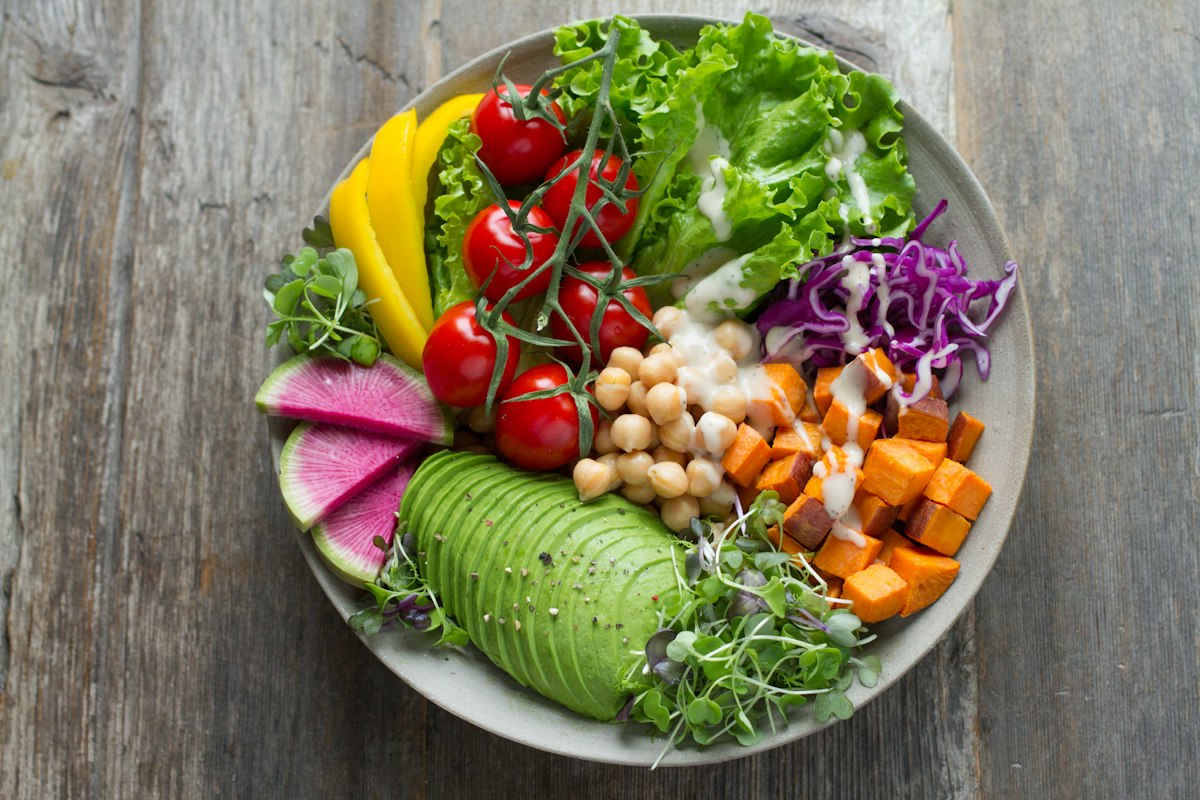
- Eat a variety of whole foods, including plenty of vegetables and fruits
- Choose quality protein sources
- Include healthy fats in your diet
- Limit highly processed foods and added sugars
- Stay adequately hydrated
- Consider your individual needs and preferences
Final Thought: Rather than chasing the latest nutrition trend, focus on building sustainable eating habits that work for your lifestyle. Small, consistent improvements tend to be more effective than dramatic overhauls.
When in doubt about specific dietary advice, especially if you have health conditions or take medications, consult with a qualified healthcare provider or registered dietitian who can provide personalized guidance.
Back to Blog